
Facilities
LunaLab
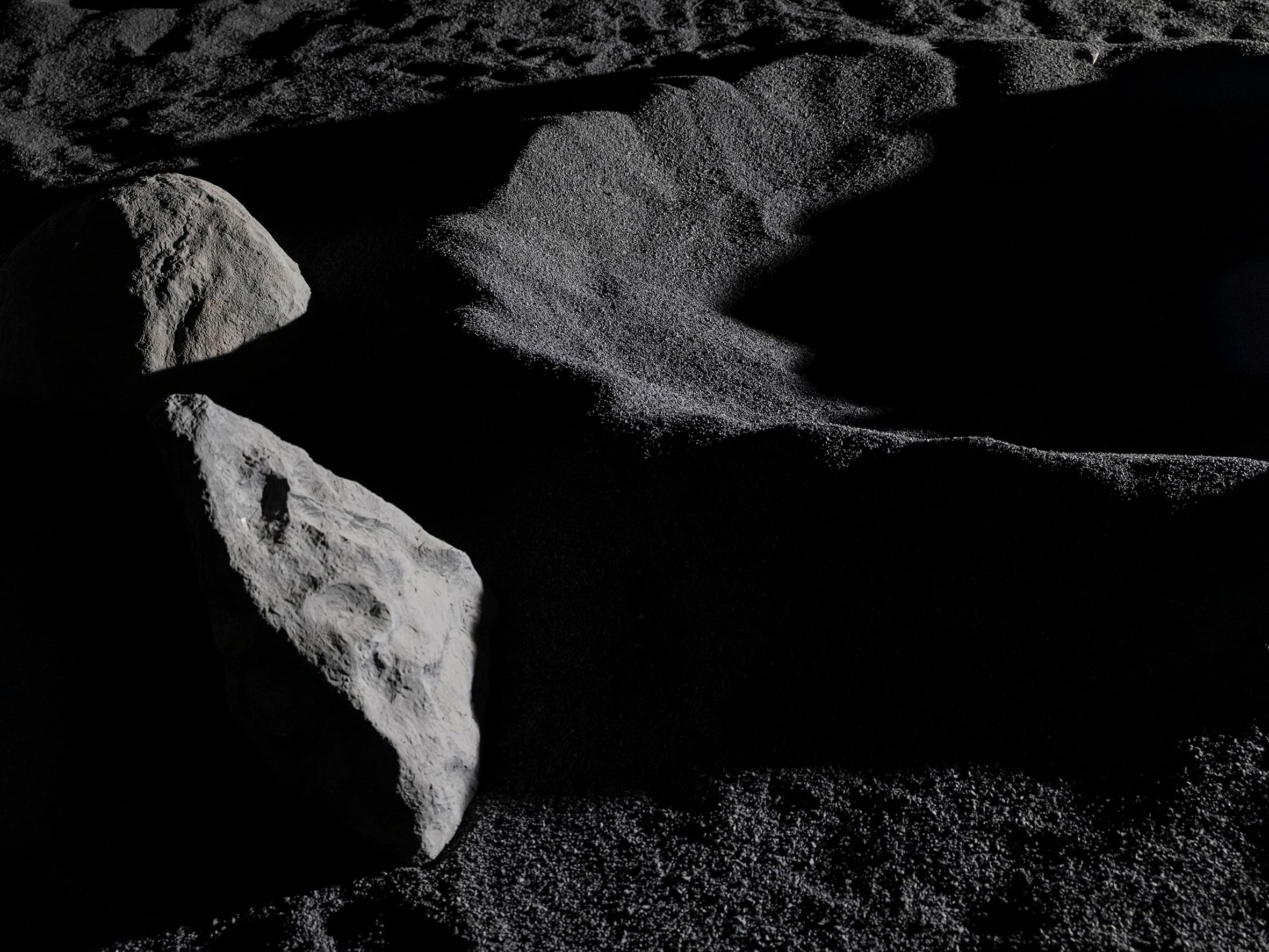
This Laboratory is a lunar analogue facility that consists of a close structure of 11×7 metres filled with 20 tons of basalt to emulate the surface of the Moon. It is equipped with 12 cameras of a motion capture system and 3 IP cameras to register experiments. The laboratory is illuminated with a cinema lamp on a ceiling rail that can change the amount, location, and direction of light — replicating the low-angle illumination (3–6°) found at the polar regions of the Moon.
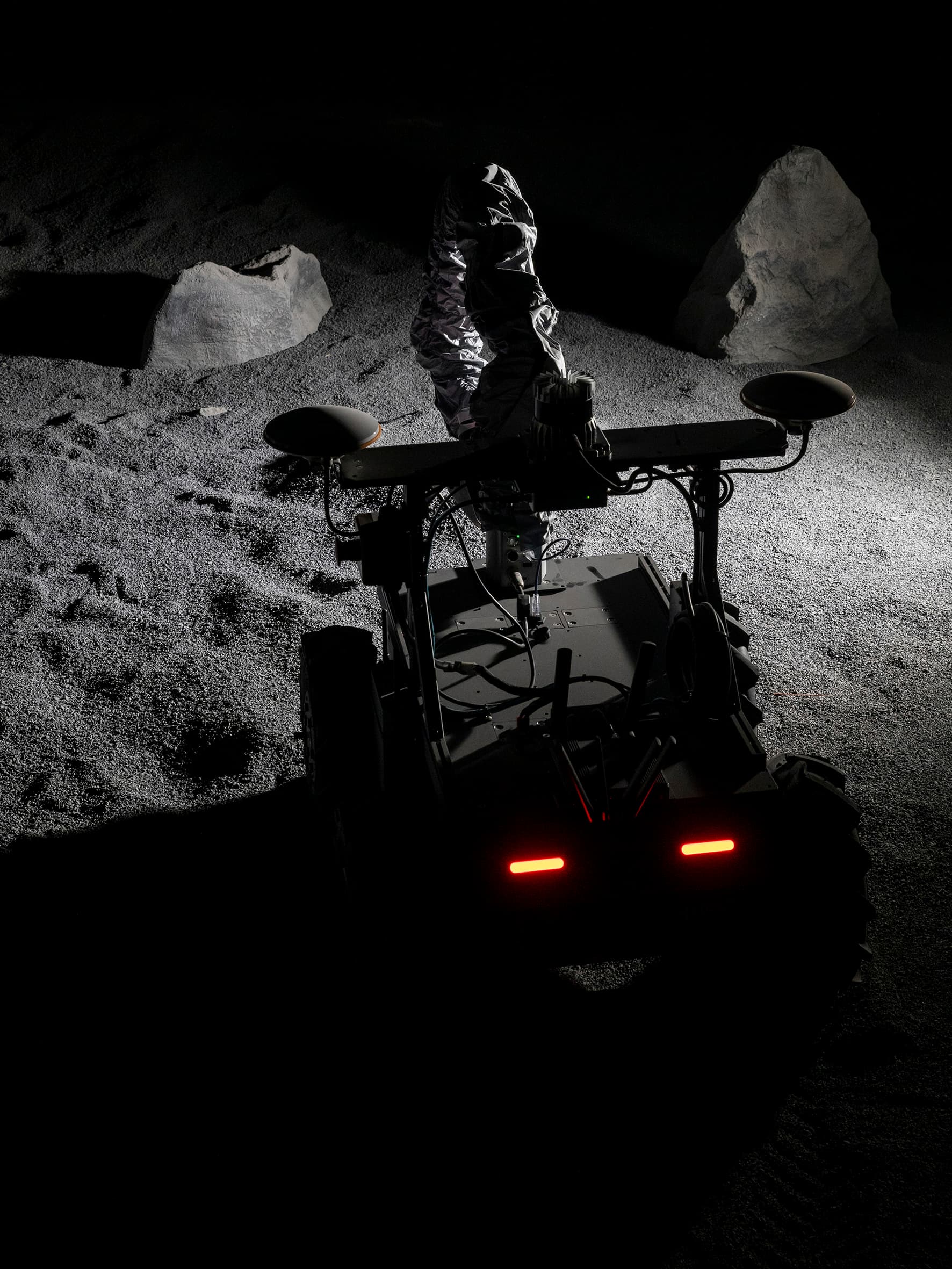
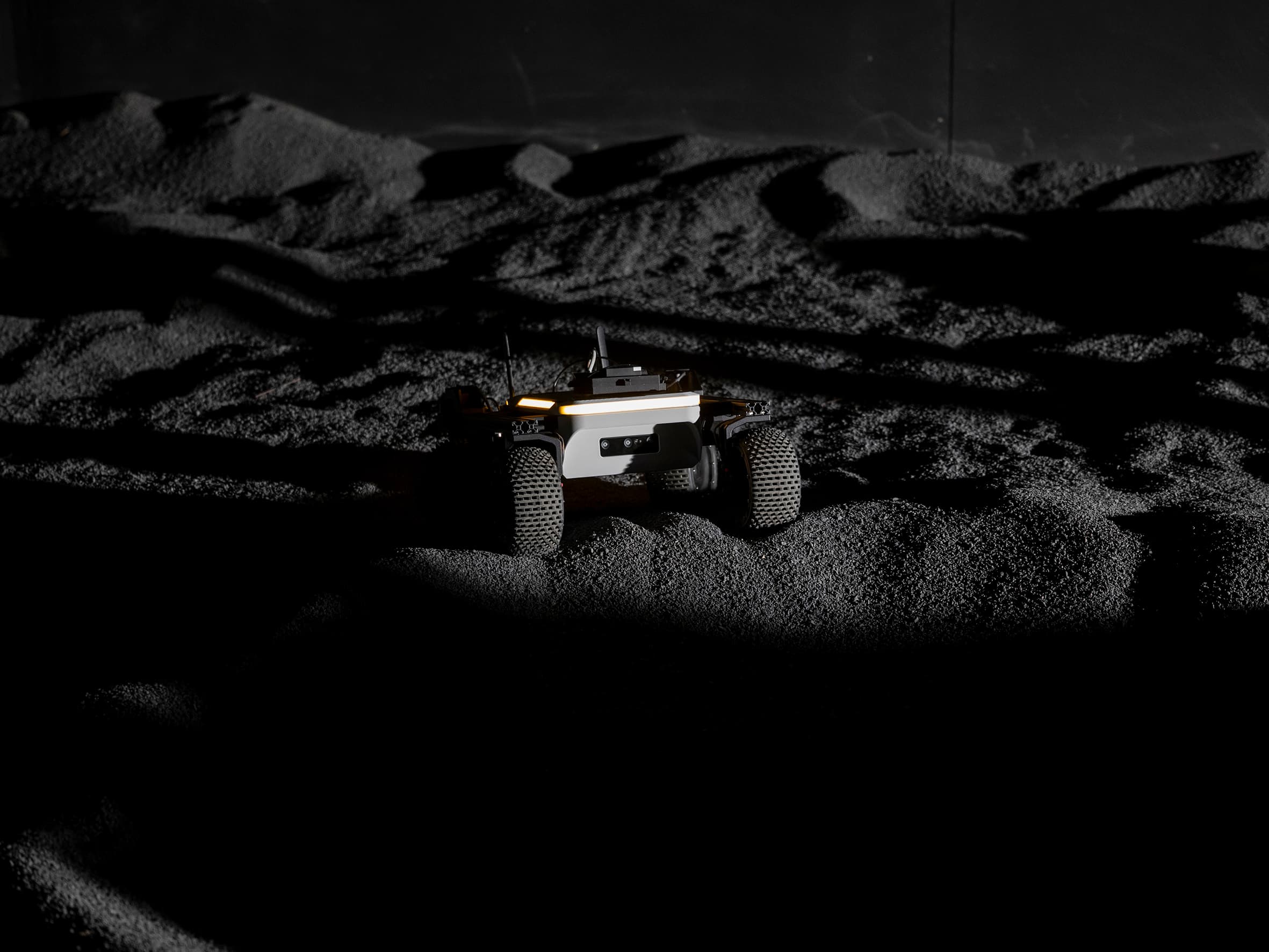
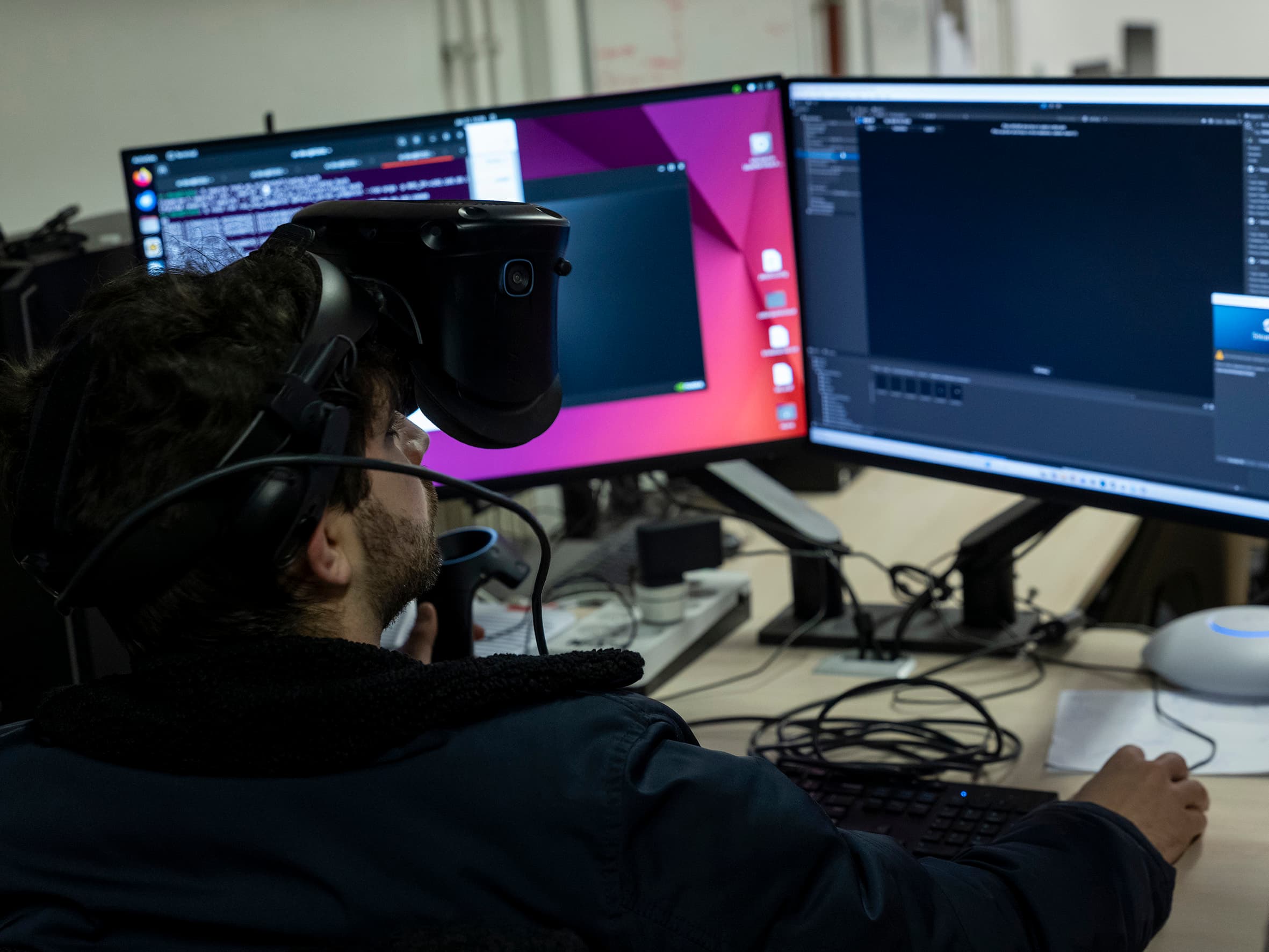
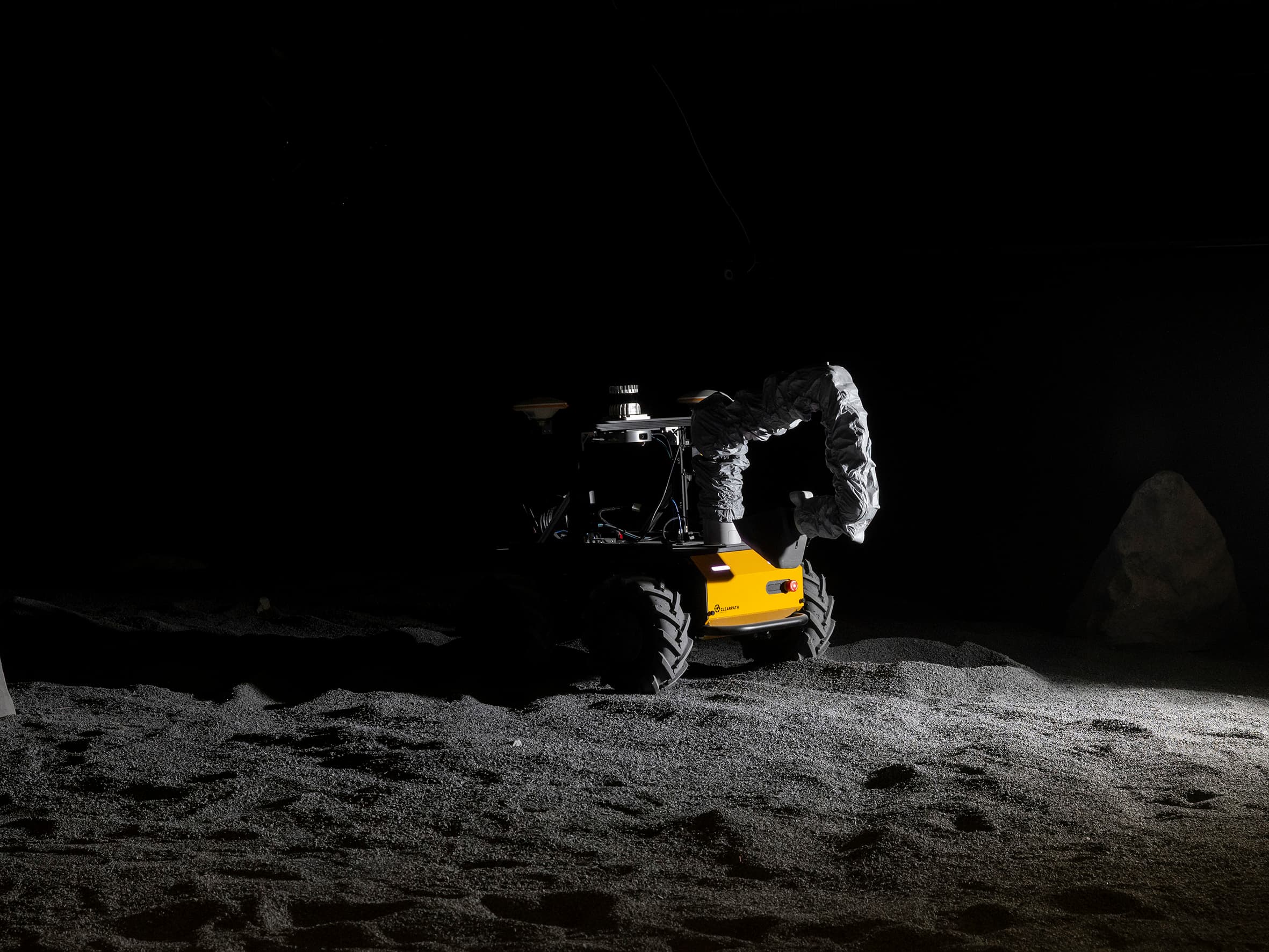
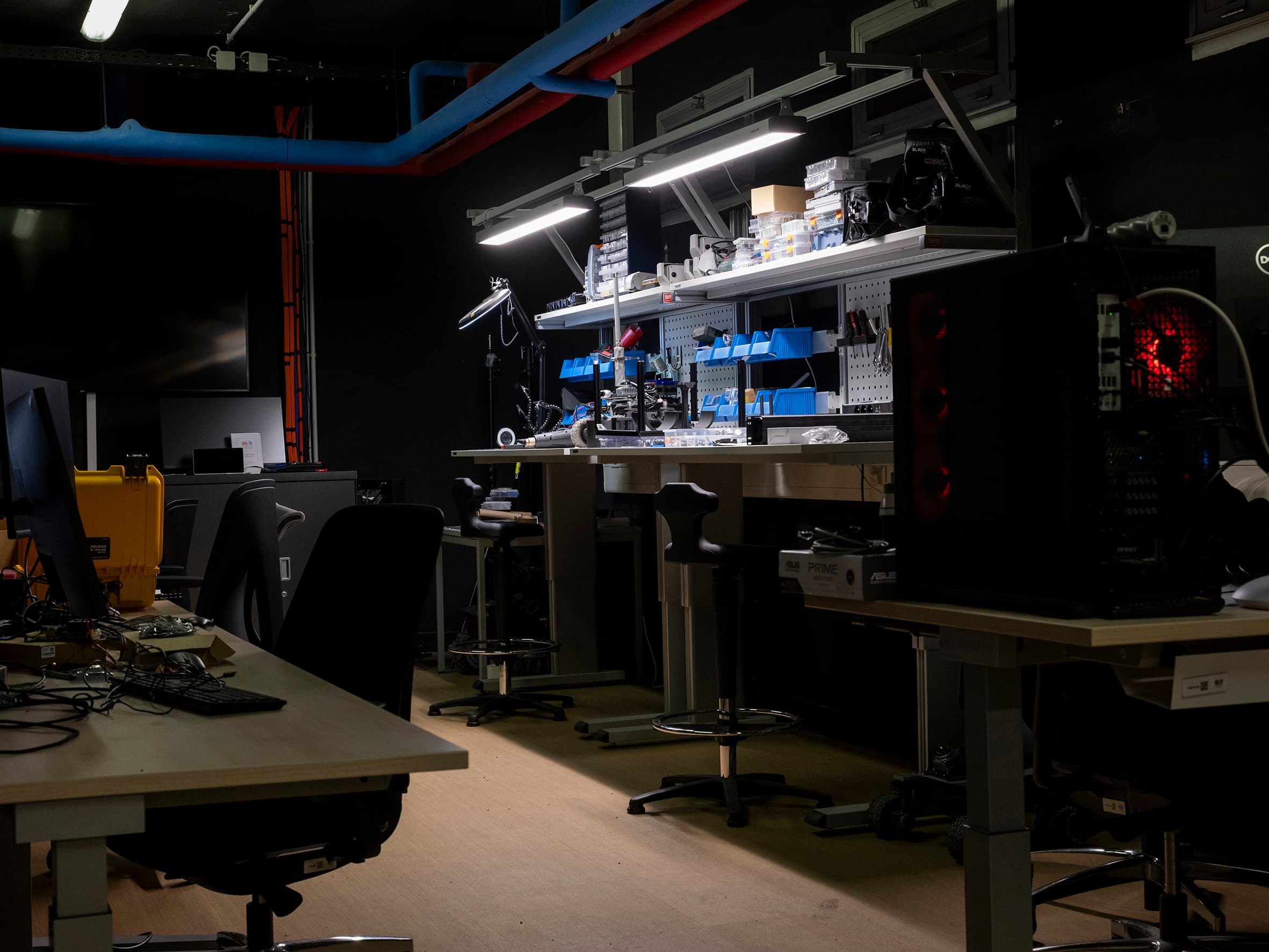
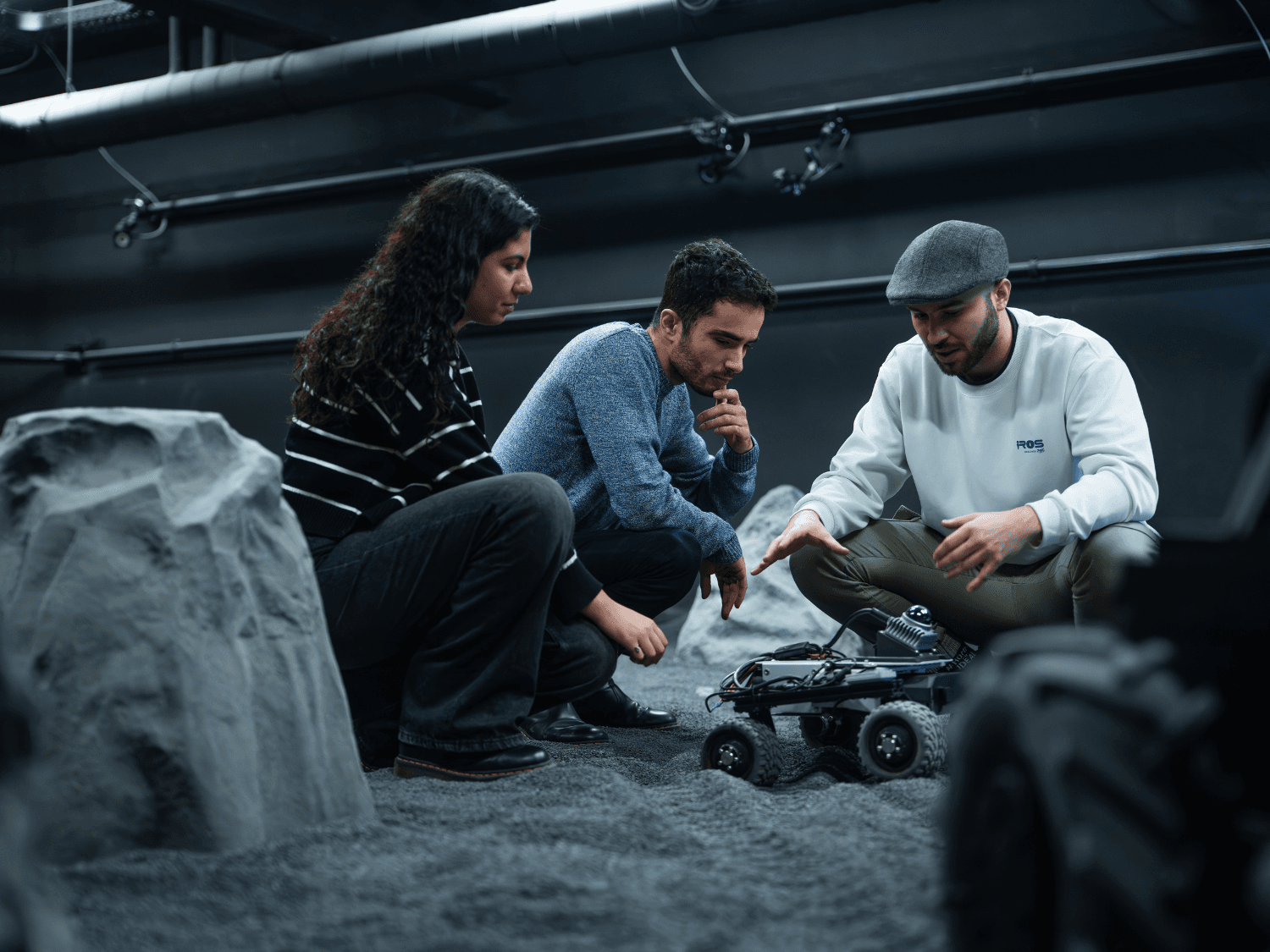
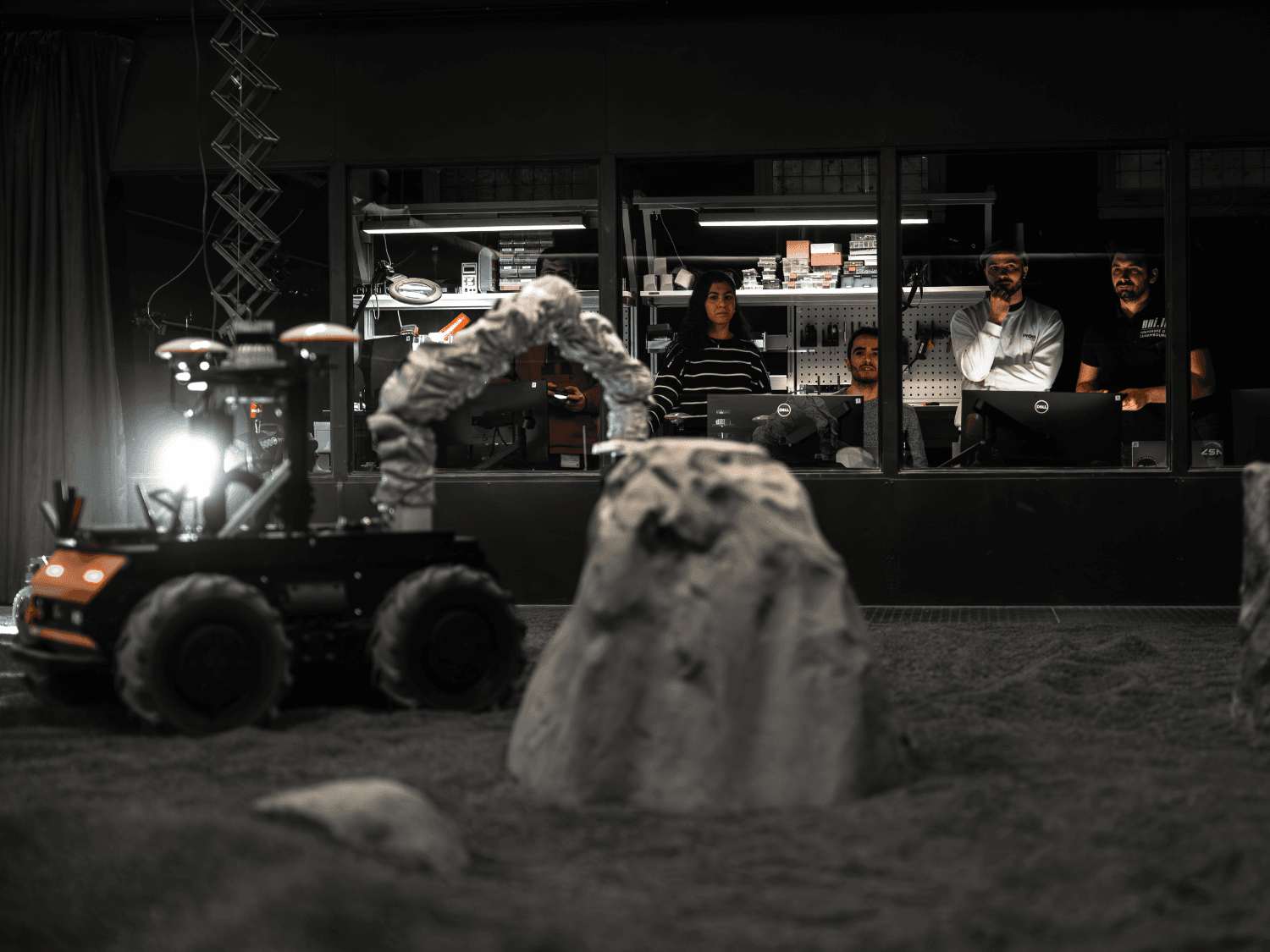
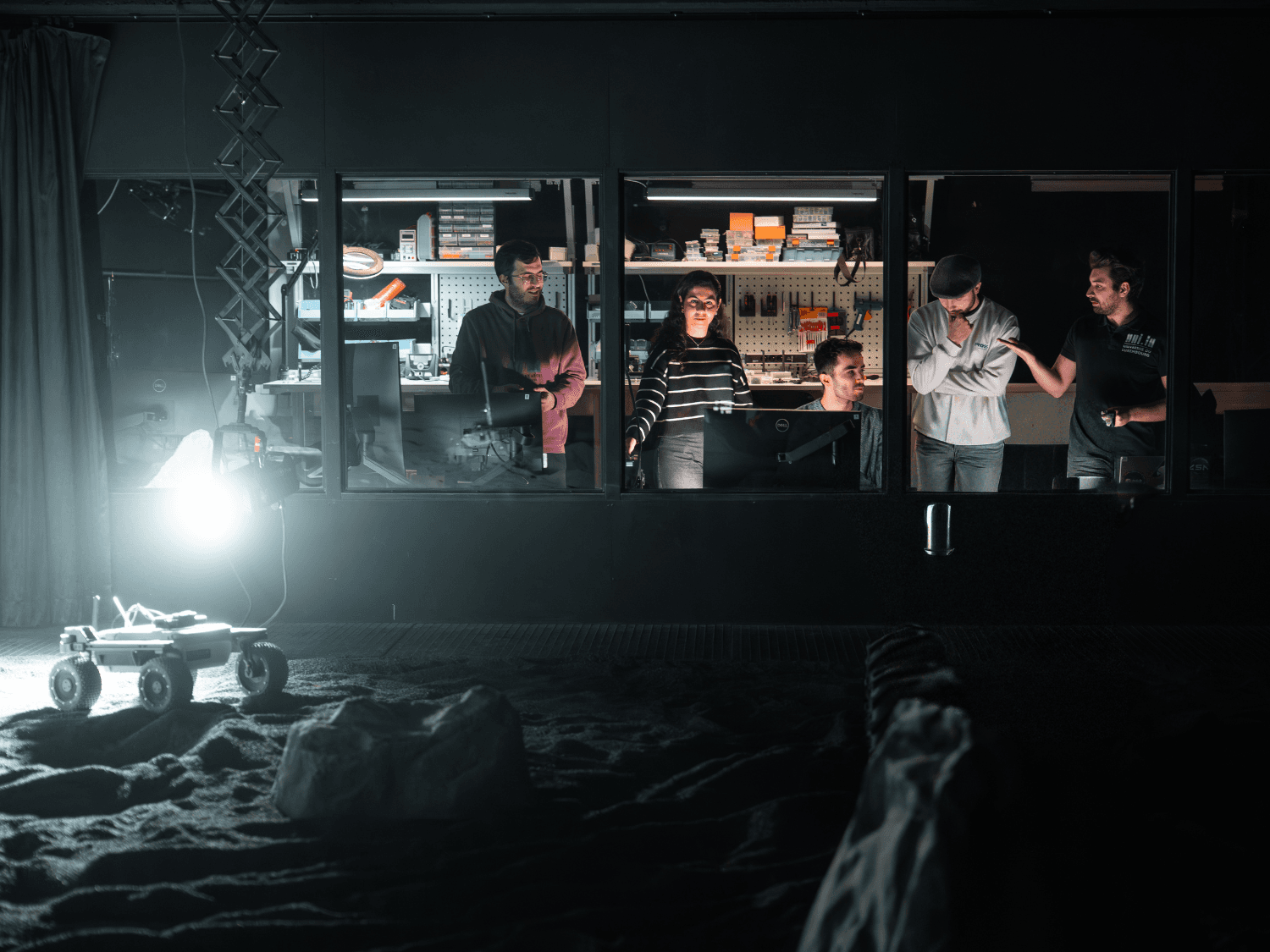
Experiments in this facility focus on lunar mobile robotic systems and algorithms for autonomous navigation, localisation, trajectory planning, and control — including robotic arms and drilling systems for space resource search, detection, localisation, identification, manipulation, and transportation.
Zero-G Lab
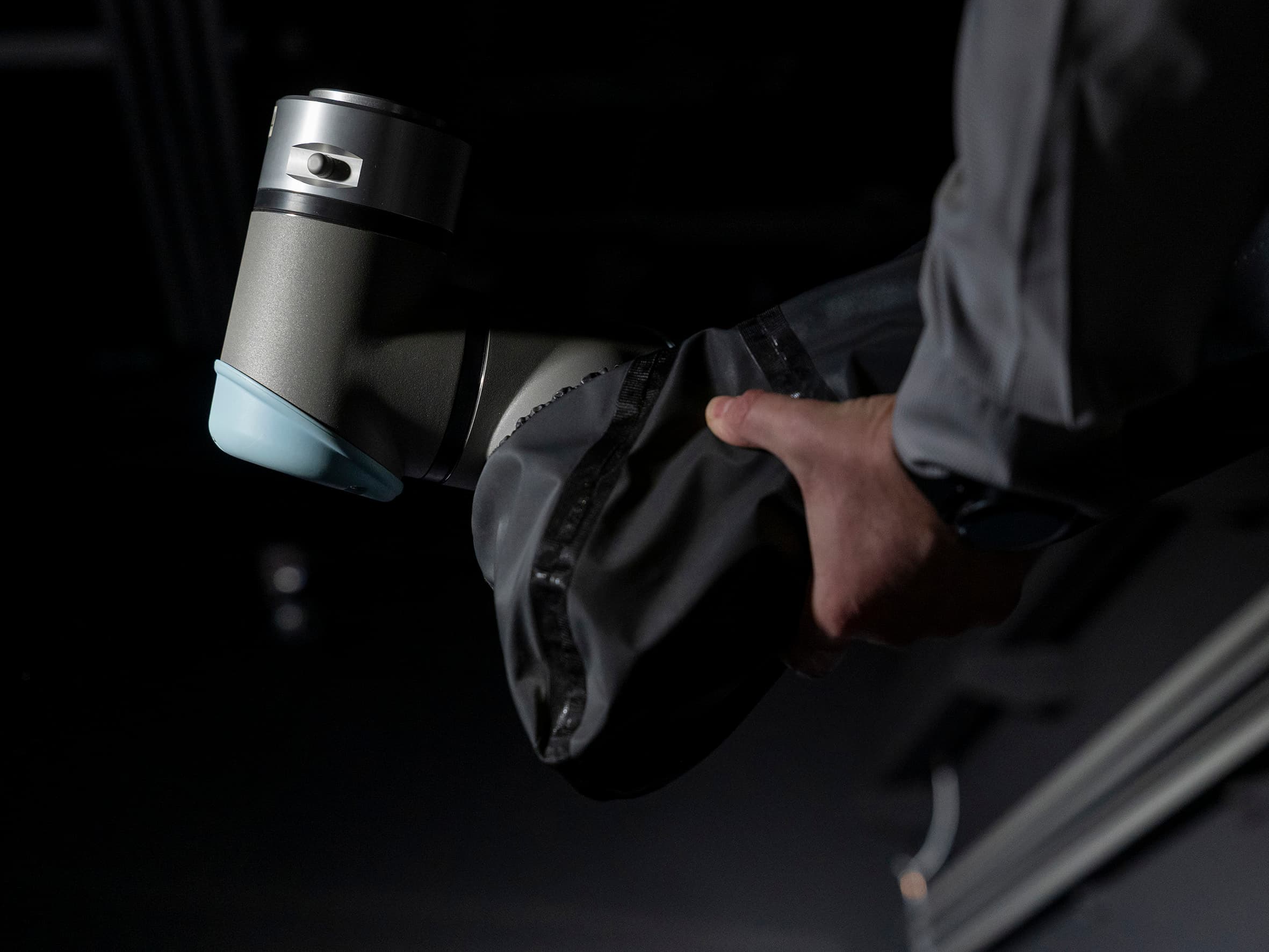
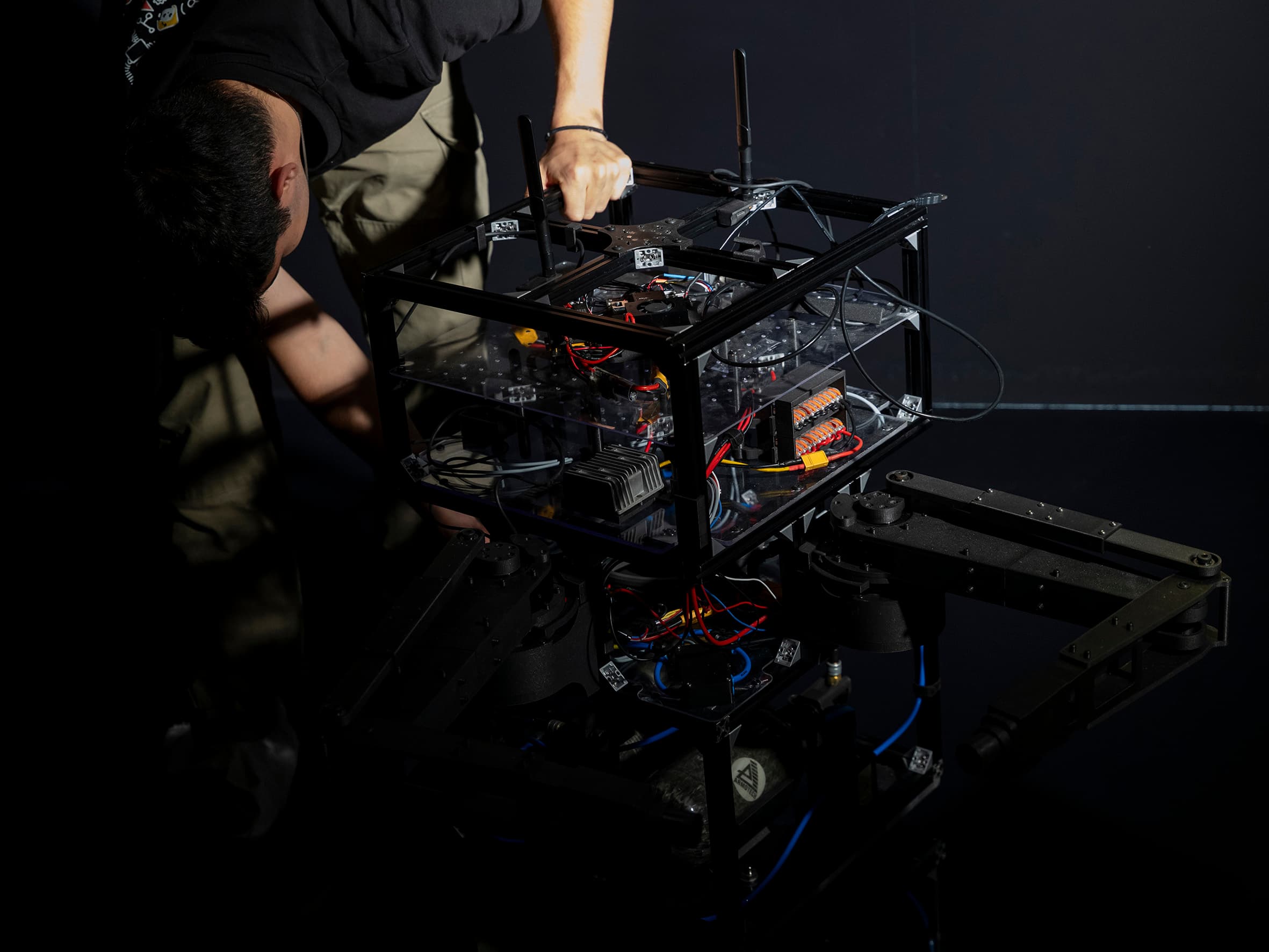
This laboratory emulates orbital dynamics in a sealed room of 3×5×2.30 m (W×L×H). Two identical pneumatic robotic floating platforms — designed and built by the SpaceR team — use air bearings to emulate free-floating objects in space with three degrees of freedom. Eight nozzles on each platform simulate a satellite propulsion system for 2D navigation. Two UR10e robotic arms mounted on ceiling and wall rails extend the range of orbital scenarios, and a sun simulator provides realistic lighting. A motion capture system validates all experiments.
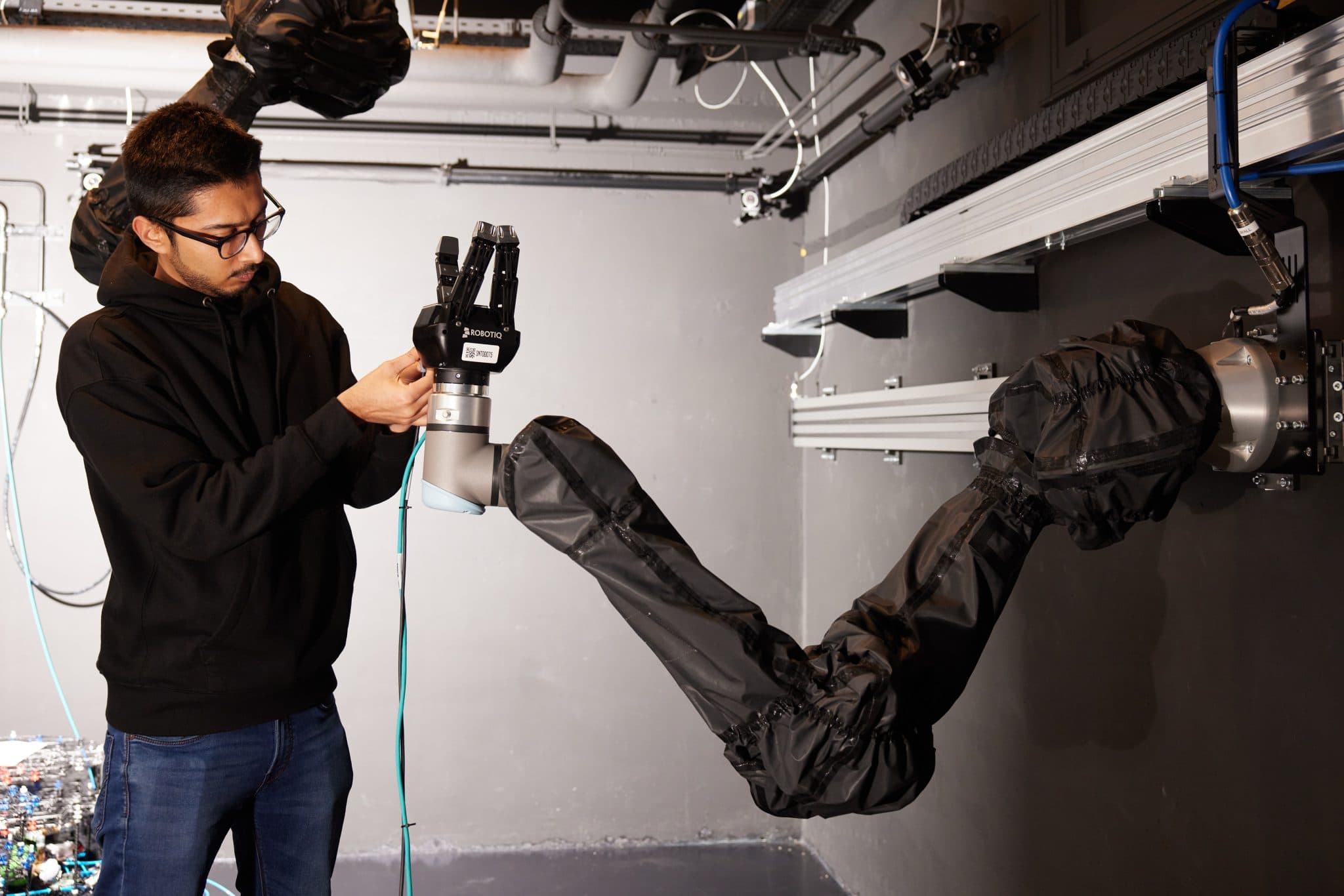
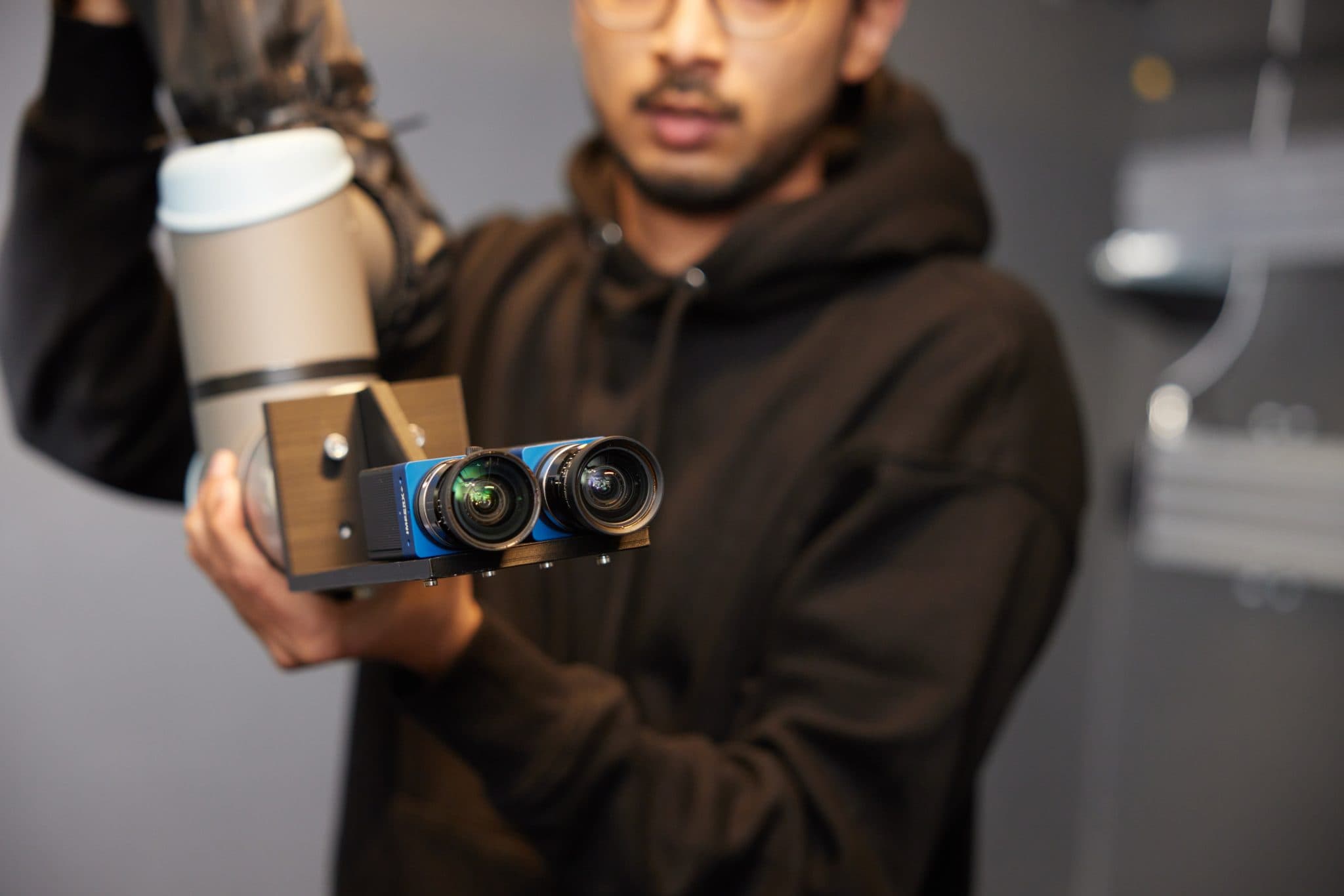
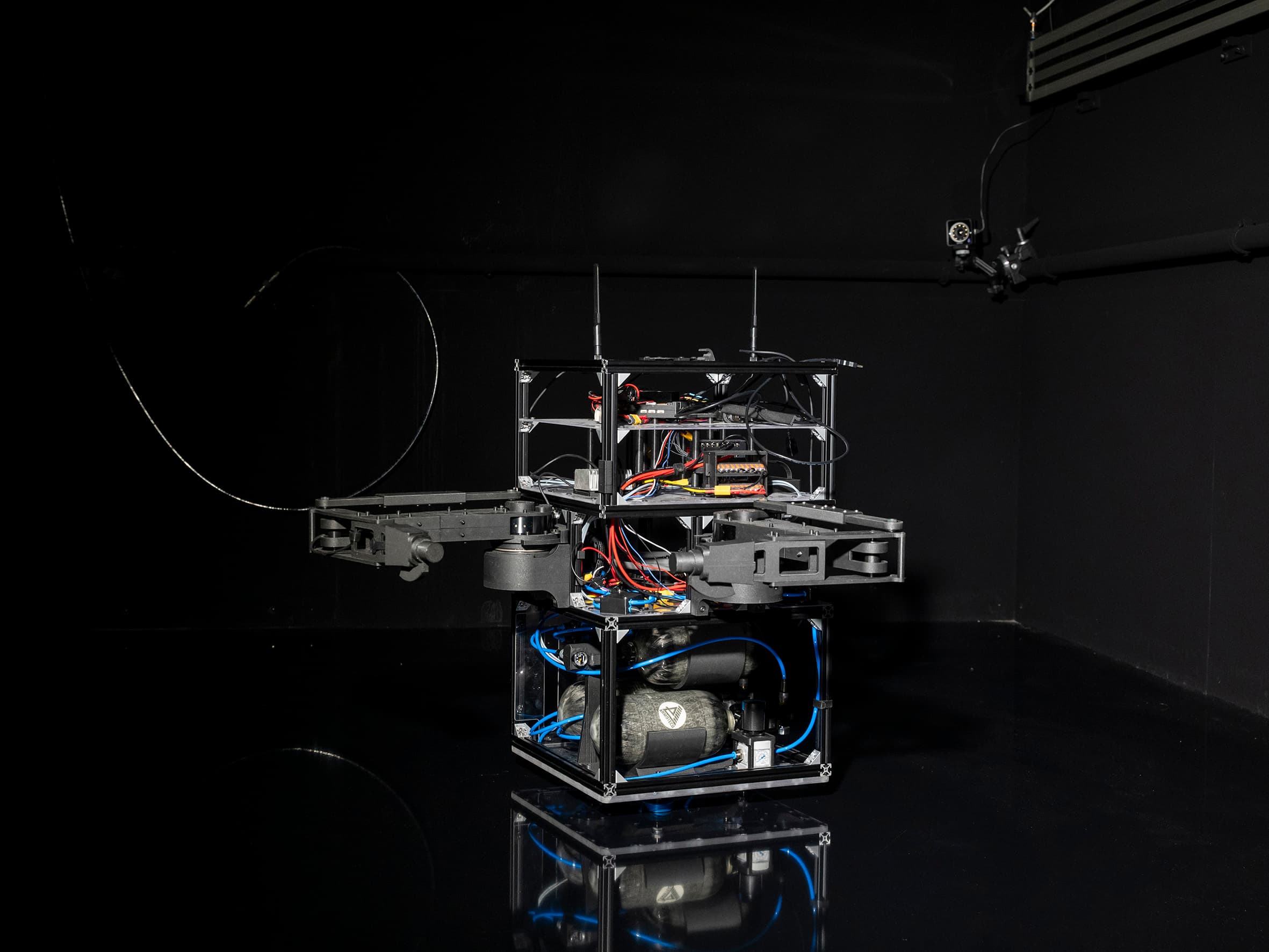
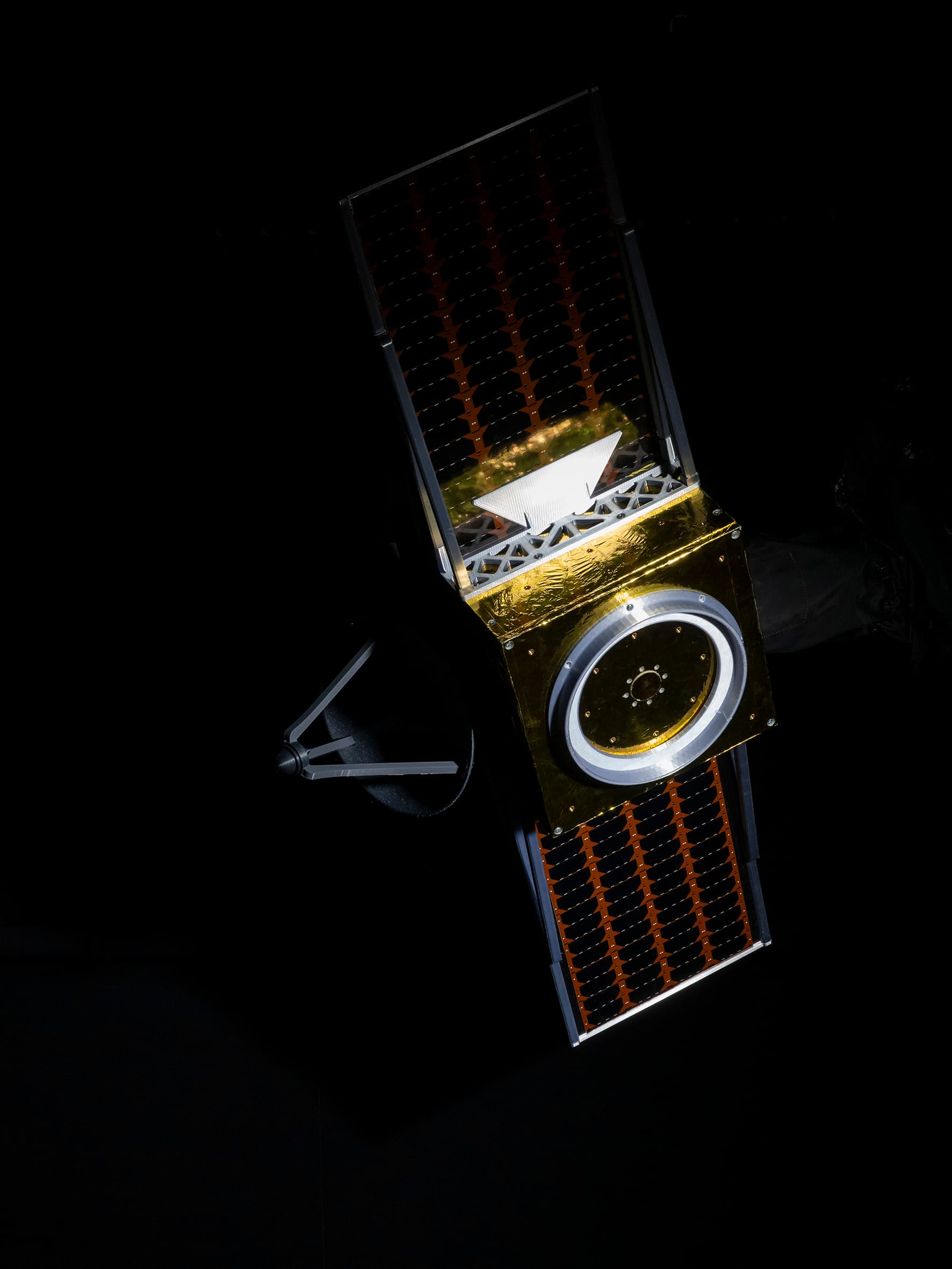
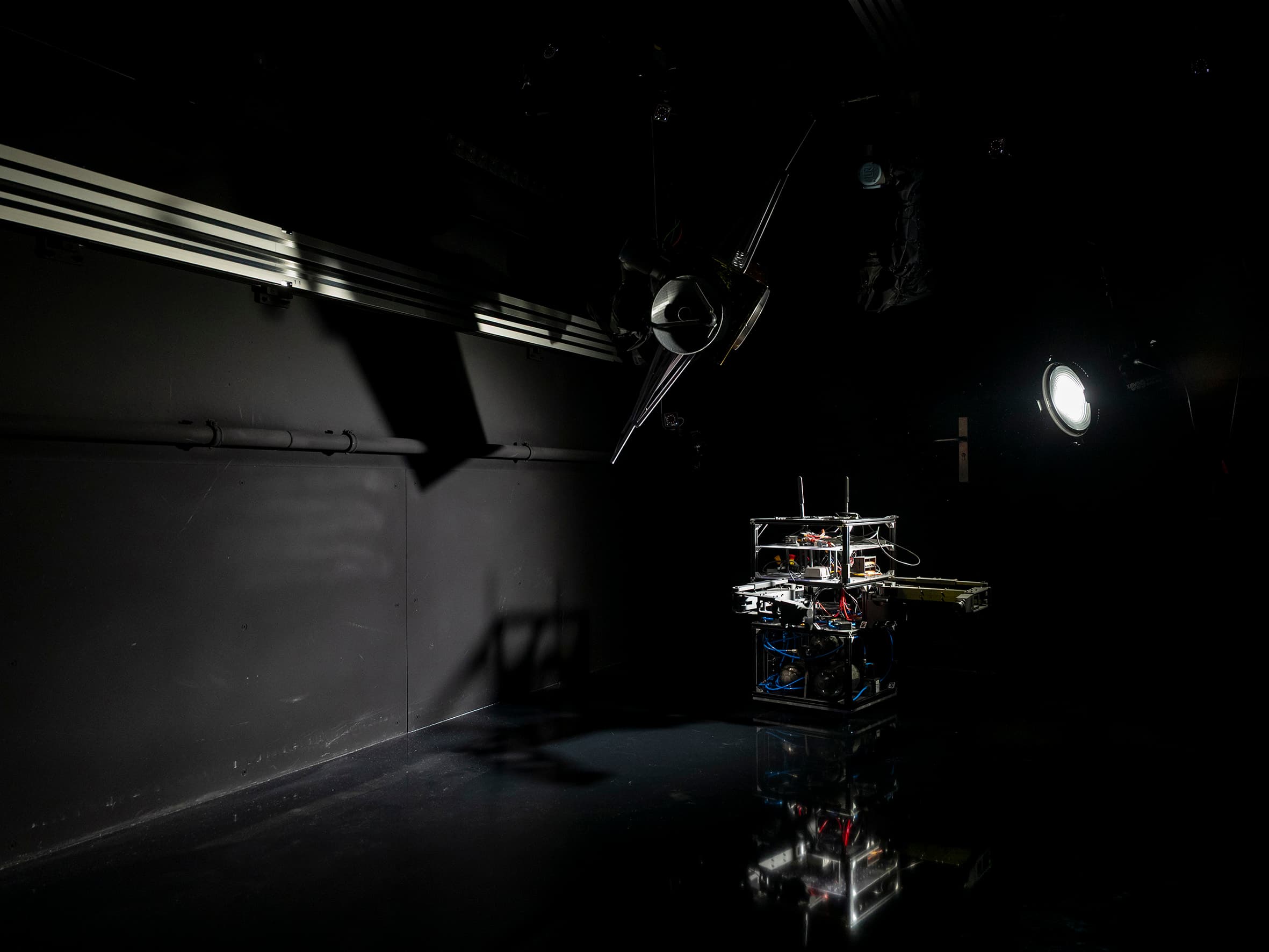
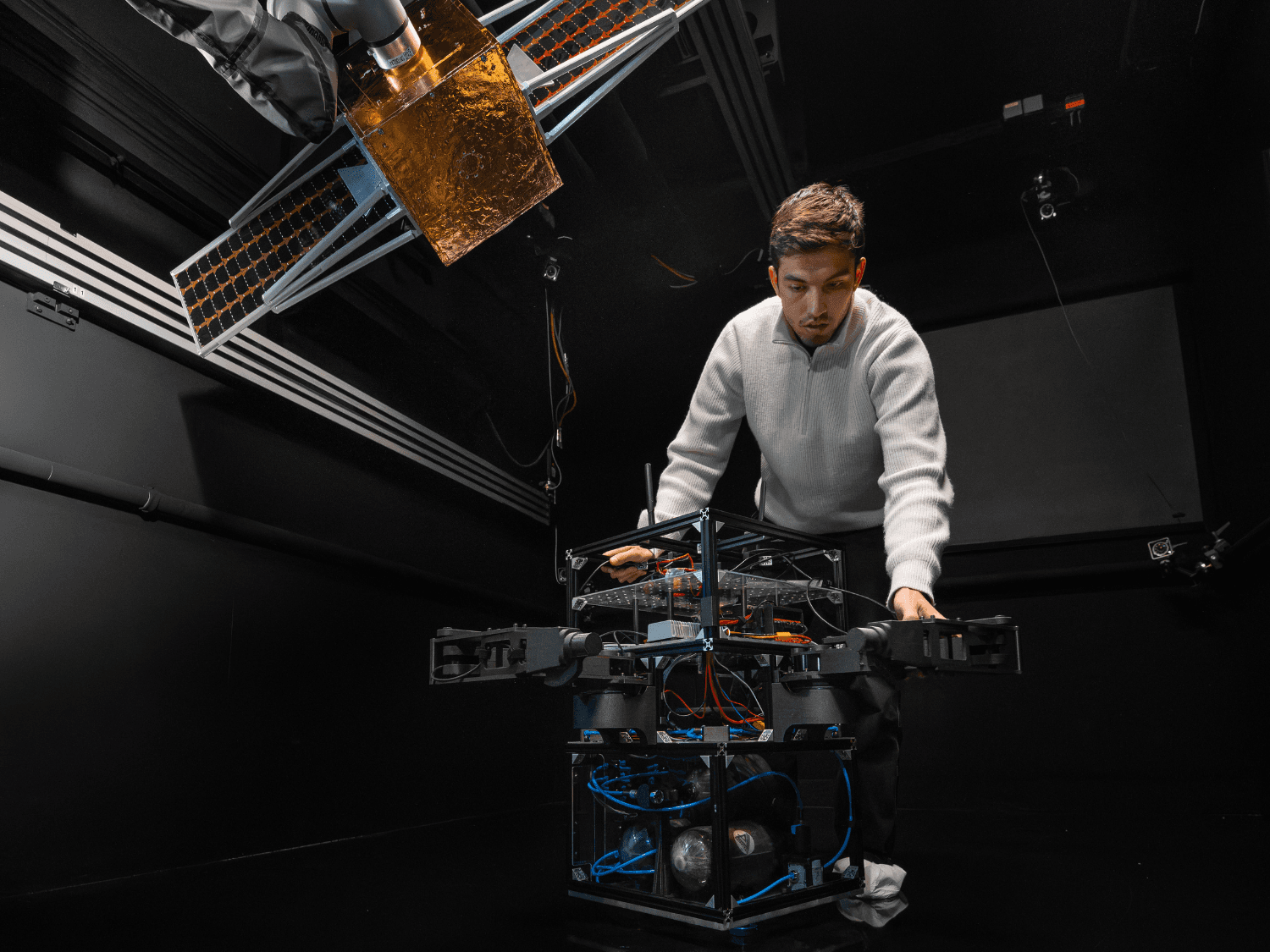
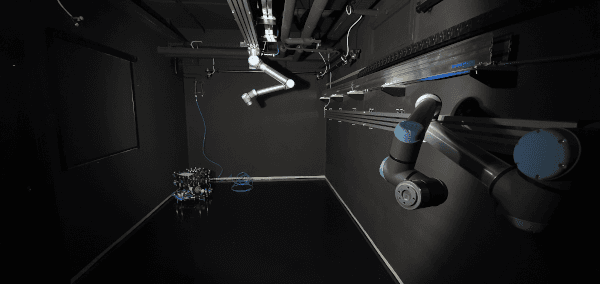
Experiments cover autonomous navigation, target detection, identification and localisation, grasping and docking with cooperative and non-cooperative systems, among others.