Autonomous Flying Ships for Inter-Island and Inland Waters Transport
Laying the foundations of a fully electric, autonomous wing-in-ground vehicle for zero-emission cargo transport across archipelagos, inland seas, and large lakes.
- Principal Investigator
- Prof. Dr. Miguel Olivares-Mendez
- Funding
- Horizon Europe RIA — GA 101096487
- Duration
- Jan 2023 – Dec 2026
- Researchers
- Dr. Matteo El Hariry, Pedro Lima
- Partners
- UPM (coordinator), University of Luxembourg, Tampere University, TalTech, INESC TEC, La Palma Research Centre, Trisolaris
Overview
Wing-in-ground (WIG) vehicles, also known as ekranoplans, fly a few metres above the water surface and exploit the ground effect to gain lift and reduce drag. This makes them more energy-efficient than conventional aircraft, with a smaller carbon and noise footprint, while being much faster than ships. They are particularly well suited to connecting islands, coastal regions, and communities around large lakes and inland seas.
Flying in ground effect is, however, difficult to control. Lift, drag, and altitude are strongly coupled close to the surface, waves and gusts continuously disturb the vehicle, and the transition between waterborne and airborne states is demanding. Because WIG craft have little operating history, there are also very few flight logs or validated aerodynamic models to build on.
AIRSHIP lays the foundations of a new class of fully electric unmanned aircraft system, the Unmanned WIG Vehicle (UWV). The project brings together:
- zero-emission electric propulsion combining solar and hydrogen sources with batteries and supercapacitors,
- advanced guidance, navigation, and control for fully autonomous flight in ground effect,
- on-board artificial intelligence for self-awareness and situational awareness, and
- environmental, economic, and social impact assessment together with a technology roadmap.
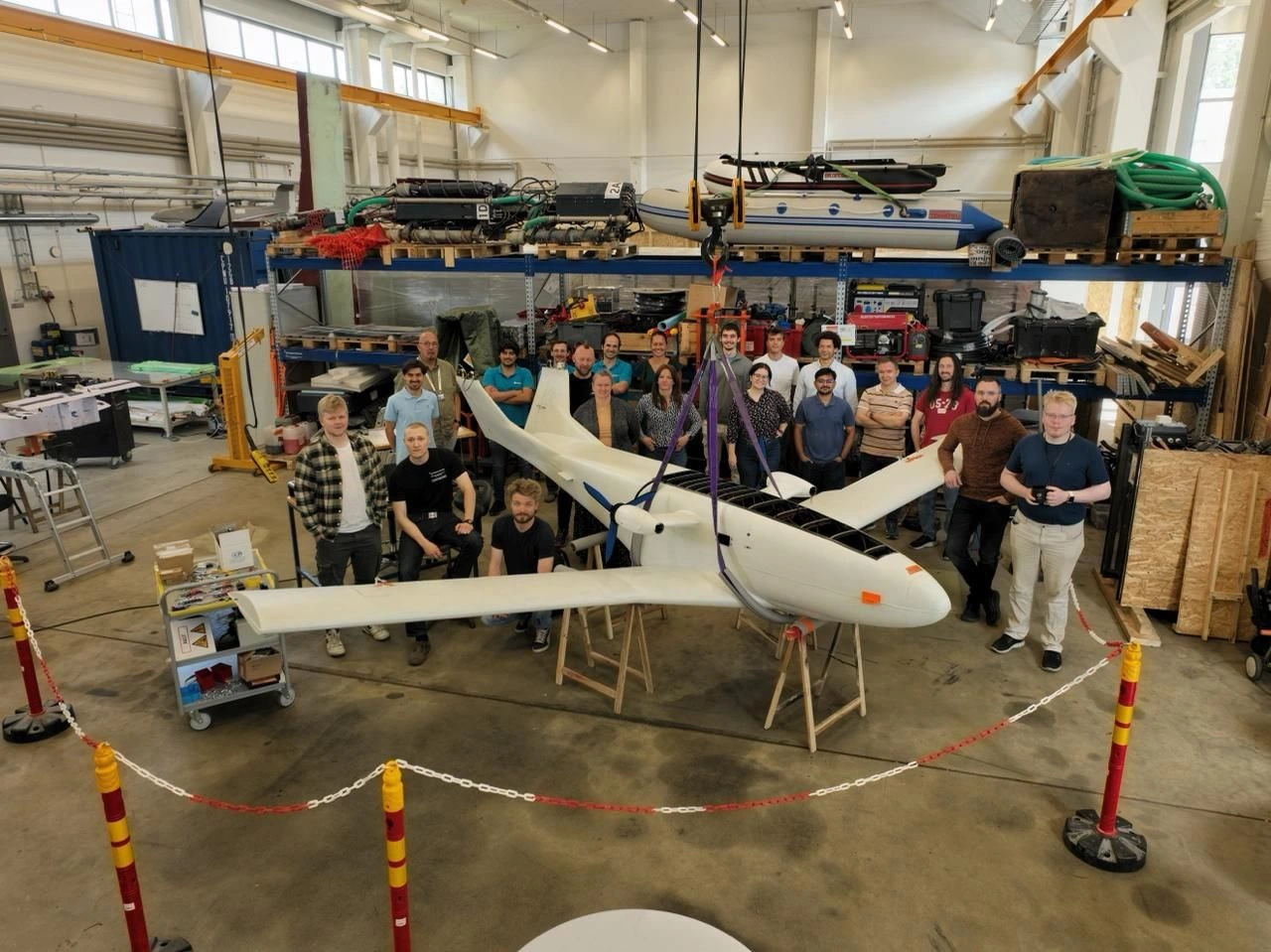
The AIRSHIP A-1 technology demonstrator, with a 5.5 m wingspan, together with the project team.
Research Objectives
Simulation and Digital Twins for Flight Control
SpaceR develops simulation tools and digital twins of the AIRSHIP vehicles, combining aerodynamic models with experimental data to approximate real operating conditions in ground effect. These environments provide the basis for designing, training, and testing flight control strategies before they are deployed on the prototypes.
AI-Based Flight Control with Reinforcement Learning
Building on SpaceR's experience in modelling, simulating, and transferring deep reinforcement learning (RL) policies to real robotic systems. The project develops RL-based control policies for the different flight modes of the vehicle, including take-off, steady flight, manoeuvring, and landing.
GNC and Perception Integration
SpaceR supports the integration of the guidance, navigation, and control (GNC) system, progressing from software-in-the-loop and hardware-in-the-loop testing to integration on the prototypes and field tests.
Integration and Validation
The technologies are validated on a series of prototypes of increasing size: the A0-W, a 1:50 model for water channel and wind tunnel tests; the A0-S, a 1:10 flying model used to test aerodynamics and control strategies; and the A-1, a 1:5 scale technology demonstrator with a 5.5 m wingspan. In September 2026, the A-1 took off from water and completed its first short, stable flight in Tampere, Finland.
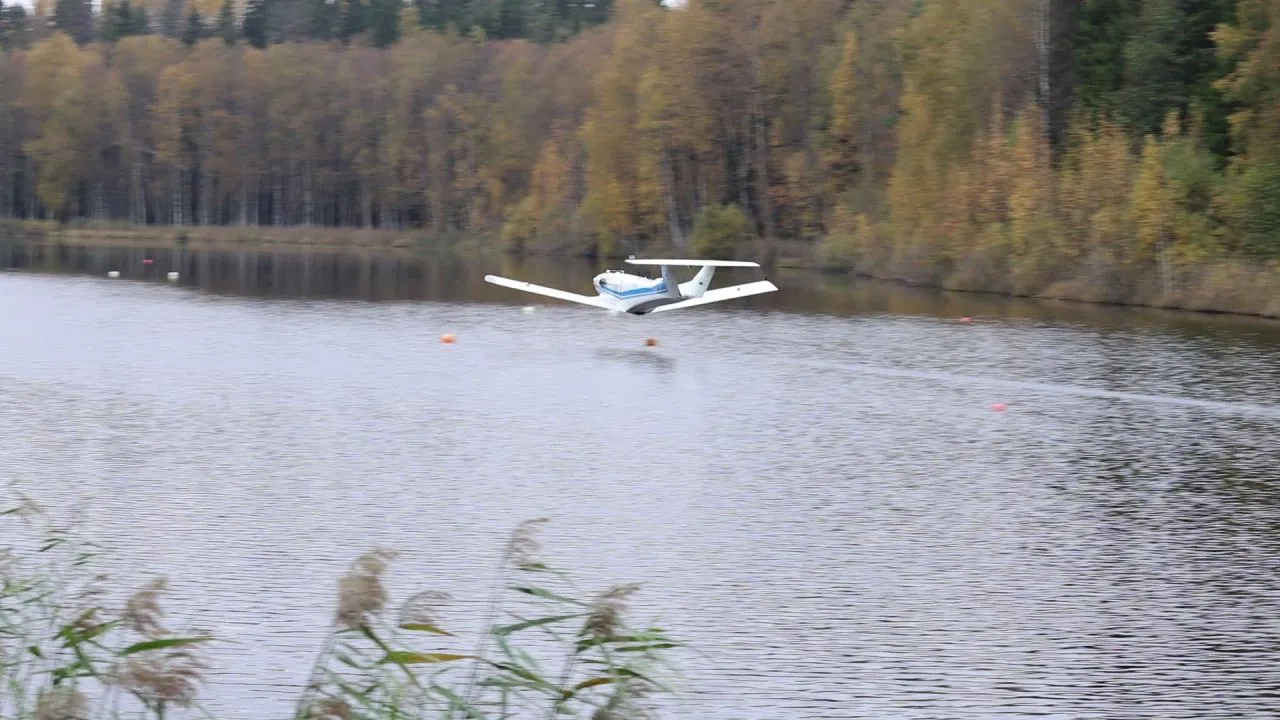
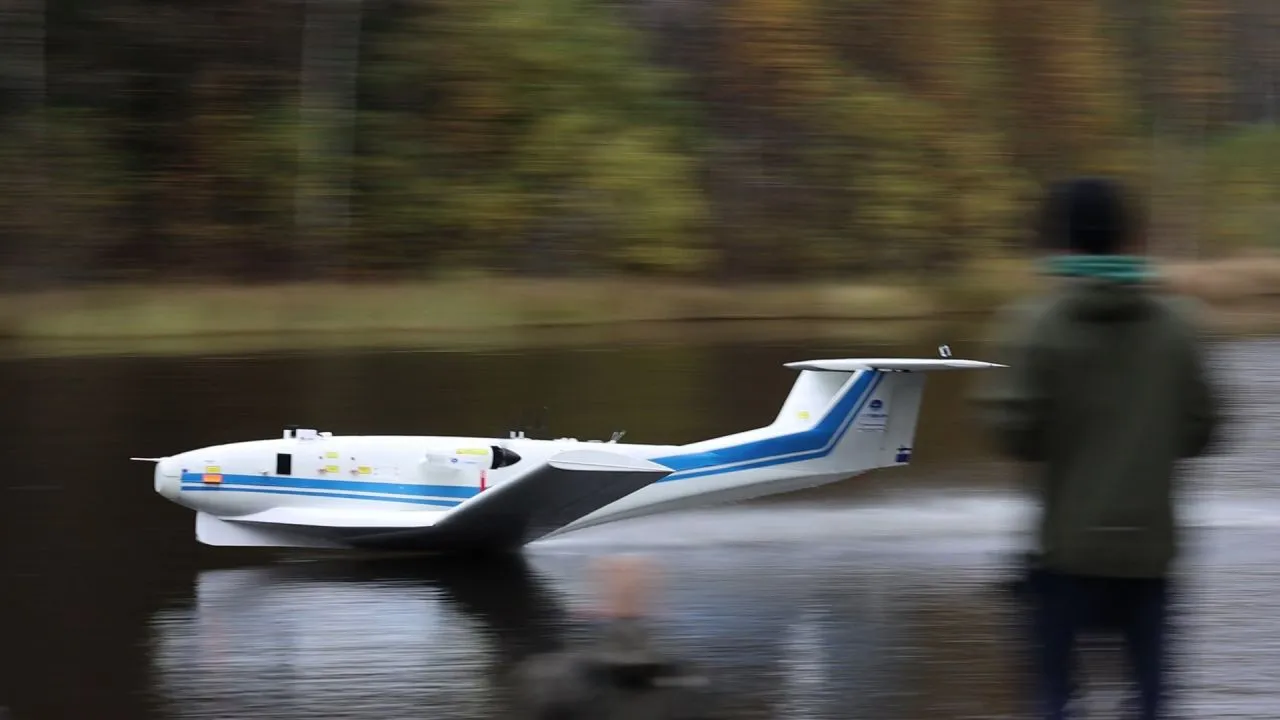
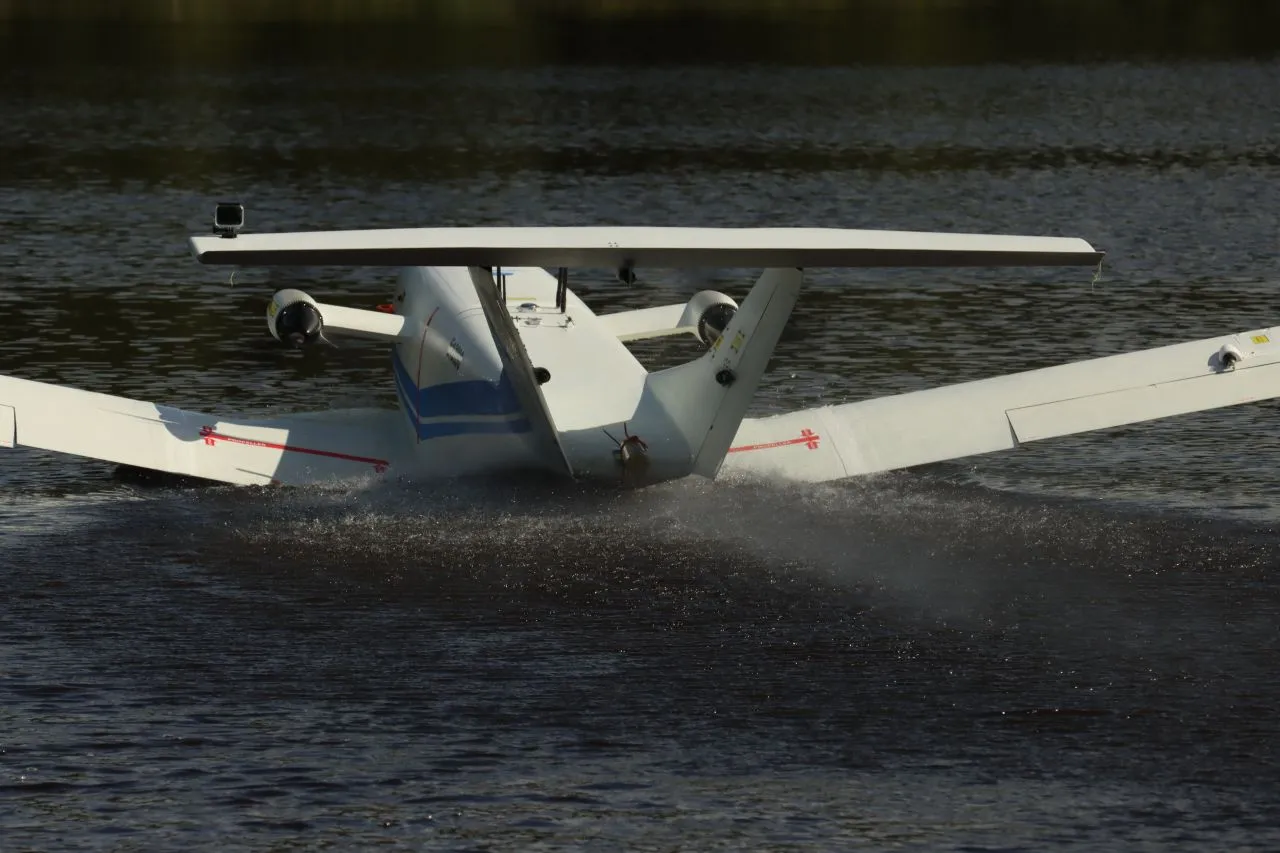
The AIRSHIP A-1 demonstrator during water and flight tests in Finland.
Consortium
Universidad Politécnica de Madrid (UPM) — Spain
Project coordination, model-based flight control, self-awareness for fault detection and reconfiguration, and zero-emission propulsion and power.
Tampere University — Finland
Design of the AIRSHIP vehicle, including operational and technical requirements, and prototype flight testing.
Tallinn University of Technology (TalTech) — Estonia
Economic, environmental, and social impact assessment.
University of Luxembourg (SnT / SpaceR) — Luxembourg
Vehicle simulation and digital twins, reinforcement learning for flight control, and GNC integration.
INESC TEC — Portugal
Perception and situational awareness, fusing radar, LiDAR, camera, and IMU data.
La Palma Research Centre (LPRC) — Spain
Technology roadmapping, dissemination, and stakeholder engagement.
Trisolaris Advanced Technologies — Portugal
Industrial partner.